The Ridglan Campaign · 2017–2026
Ridglan was not the end. It was the beginning.
For years, advocates fought to expose what was happening to dogs bred for laboratories at Ridglan Farms in Blue Mounds, Wisconsin. That campaign showed the country what sustained pressure can do. Now the fight must move forward federally — and Marshall BioResources must be next.
Why Ridglan matters
Proof that public pressure can change outcomes.
The 10-year arc
From first investigation to Ridglan shut down.
2017
First undercover investigation
Activists document beagles spinning psychotically in 2′ × 4′ wire cages — many had been confined for their entire lives. The footage made the conditions undeniable.
2022
A whistleblower comes forward
A former Ridglan employee surfaces with new evidence: surgeries on conscious dogs by non-veterinarians, vocal cords cut without anesthesia, dying puppies thrown in trash bags.
Jan 2025
Felony cruelty ruling
Wisconsin Judge Rhonda Lanford rules that “a reasonably prudent prosecutor would issue charges” — a state-court finding of probable cause for felony animal cruelty.
Oct 2025
Federal pressure builds
Coverage from Science magazine, Vox, and the Washington Post (a Jane Goodall op-ed) makes the federal-licensing question impossible to ignore.
Mar 2026
March 15 — direct action
100+ rescuers enter the facility at dawn. 30 dogs are removed; 8 are seized by police and returned. 27 rescuers are arrested. The story breaks nationwide.
Apr 2026
April 18 — second action
Over 1,000 ordinary Americans converge on Ridglan. Wisconsin law enforcement responds with tear gas, pepper spray, rubber bullets, and physical force.
Apr 2026
Federal floor speech
Rep. Mark Pocan (D-WI 2) takes Ridglan to the floor of the U.S. House — and secures language directing the USDA to review federal licenses of breeders who lose their state license.
Apr 29, 2026
Ridglan agrees to release its beagles — transfers begin May 1, 2026
Big Dog Ranch Rescue and the Center for a Humane Economy reach an agreement with Ridglan to take its beagles out of the facility. Transfers begin May 1, 2026 — and ultimately all roughly 2,000 dogs are released as the facility shuts down.
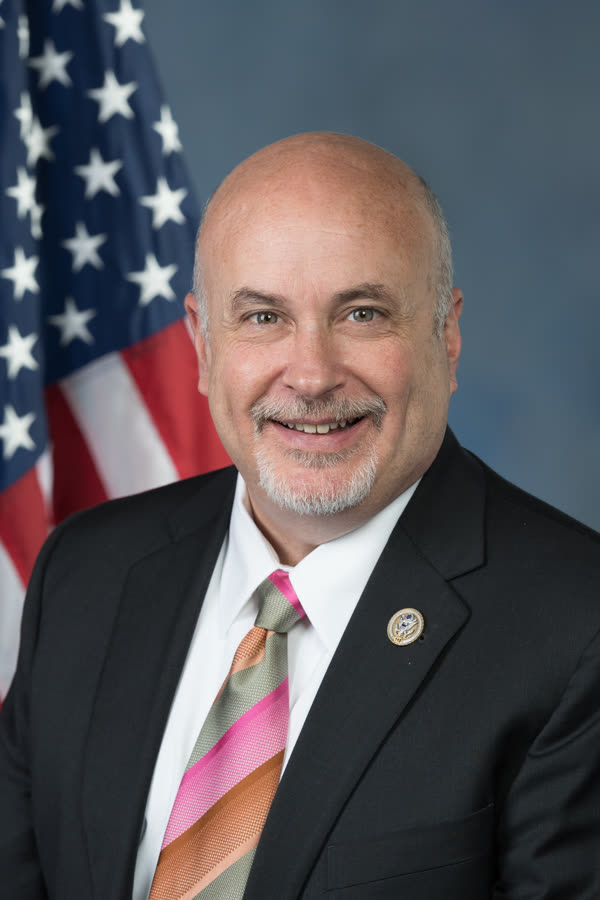
Ridglan’s own congressman
Rep. Pocan took
Ridglan to Congress.
Wisconsin’s 2nd District is where Ridglan operates. Rep. Mark Pocan represents it — and on the federal record, no congressman has done more to make Ridglan’s practices a federal accountability question.
U.S. House · D-WI 2 — Mark Pocan
What he's done.
Took Ridglan to the floor of the U.S. House.
Pocan put the documented cruelty violations into the Congressional Record — the first sitting member of Congress to make Ridglan a federal-record question.
Secured a House Appropriations Committee amendment.
On April 29, 2026, the full House Appropriations Committee approved a Pocan amendment directing the USDA to review the federal licenses of breeders who lose their state license. Heading to the FY27 Agriculture funding bill.
Called publicly for state action.
Pocan has urged Wisconsin’s DATCP to begin rehousing the Ridglan dogs immediately, and called for the closure of the facility.
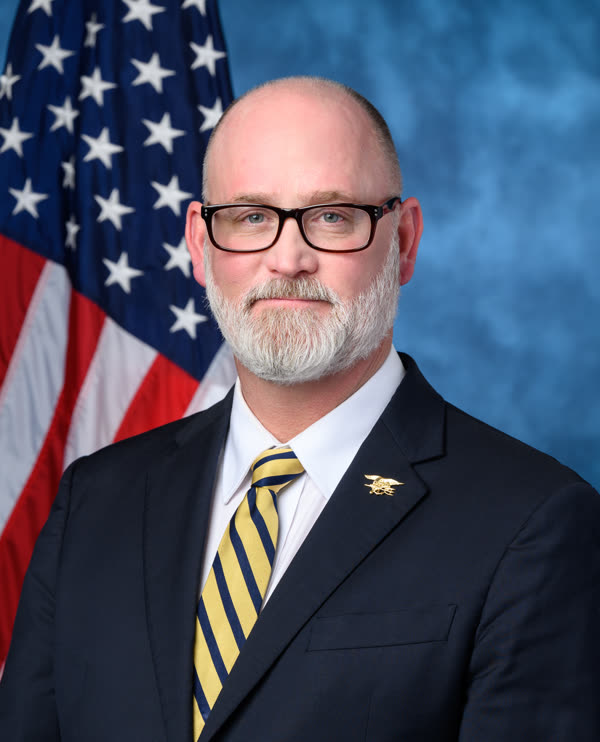
Across the aisle
Rep. Van Orden joined him.
Wisconsin’s 3rd Congressional District sits next door. Rep. Derrick Van Orden (R-WI 3) represents it — and in late April 2026, he put himself on the record on Ridglan.
One Democrat. One Republican. Both halves of southern Wisconsin’s House delegation are now on the record on Ridglan. The bipartisan story isn’t a slogan — it’s a roll call.
U.S. House · R-WI 3 — Derrick Van Orden
“Rep. Van Orden weighed in on Ridglan Farms earlier this week, saying he believes all animals need to be protected.”
— — Spectrum News 1 Wisconsin · April 30, 2026
The film that broke this story open — and the case for ending the breeding of dogs for laboratory testing.
Dig deeper
The full Ridglan record.
Endorsements
A bipartisan coalition: Lara Trump, Laura Loomer, Tomi Lahren, Rep. Nancy Mace, Rep. Mark Pocan, Rep. Francesca Hong, and Wisconsin state lawmakers.
The Evidence
311 documented cruelty violations. Wire flooring. Conscious surgeries. The full record.
April 18 — The Record
What happened when 1,000 ordinary Americans tried to rescue dogs from Ridglan.
The Cost
What Wisconsin spent defending Ridglan instead of saving the dogs.
Open Letter to the DA
Signed by 100+ humane societies, veterinarians, and advocacy leaders (Feb 2026).
Press Coverage
New York Times, CNN, Democracy Now, Science, Washington Post, and many more.
Photos & Video
From inside the facility, from the rescue actions, and from life after Ridglan.
Wisconsin’s unfinished work
Governor Evers, the work isn’t done.
Ridglan is winding down. But the breeding-for-laboratories business in Wisconsin isn’t. Hundreds of dogs are still inside Ridglan. Other Wisconsin breeders still operate. And animal experimentation continues across the state. The path is open. Only the Governor’s office can take the lead.
Free the rest of the Ridglan dogs.
After the May 2026 transfers, hundreds of beagles still remain inside Ridglan’s walls. Without state action, those dogs stay in cages or get sold into other labs.
Act on Wisconsin’s other dog breeders.
Ridglan is not the only commercial dog-breeding operation in Wisconsin. DATCP holds licensing authority over the rest. Use it.
Phase out animal experimentation in Wisconsin.
The breeding-for-laboratories model is part of a larger system. Wisconsin can lead the country in moving past it.
What now
Marshall BioResources is next.
Ridglan was the second-largest breeder of dogs for laboratories in the country. Marshall BioResources is bigger — with major operations in New York and the United Kingdom, and a global supply chain that ships dogs into experiments on multiple continents.
The Ridglan campaign showed what works: investigation, legal pressure, public attention, federal leadership, and citizens willing to show up. We bring all of it to Marshall now.